
In 1995, at the age of 24, my life changed in an instant.
While paragliding, I fell 80 feet from the sky. The impact shattered my pelvis and broke my back. Overnight, I went from living an exceptionally active and adventurous life filled with climbing, outdoor pursuits, and exploration to facing surgery, extended hospitalization, and nearly a year in a wheelchair.
The road back was long and challenging, but slowly I healed. Through determination and rehabilitation, I regained my strength and eventually returned to the mountains, climbing, and the active lifestyle I loved.
Then tragedy struck again.
A year later, my fiancé and partner of eight years was killed in a climbing accident.
Six months after his death, I began experiencing severe nerve pain. The pain became so debilitating that I could no longer sit comfortably to drive, share a meal, or participate in normal daily activities.
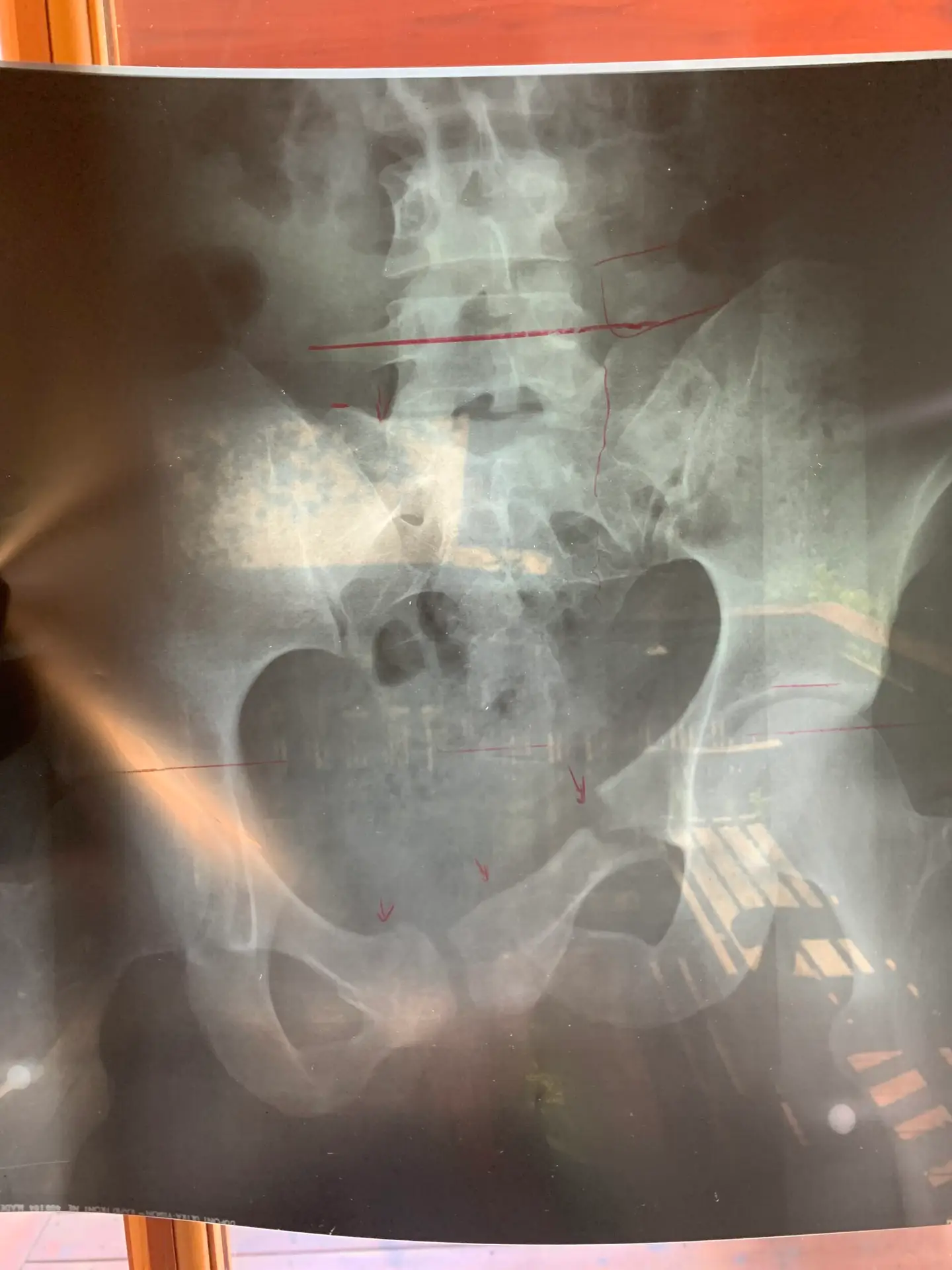
I sought help from specialist after specialist. Every doctor reviewed my X-rays and saw the same thing: a significantly crooked pelvis, a 13-centimeter screw stabilizing my sacroiliac joint, two seven-inch screws through my pubic bone, and three herniated discs.
The conclusion was always the same.
My pain was attributed to the structural damage from my accident.
Given what my body looked like on imaging, it seemed logical. I accepted what I was told and pursued every treatment I could find. Yet nothing provided lasting relief.

As the months passed, I became increasingly discouraged. If I was already in this much pain, what would happen as I grew older? How could I expect to live comfortably in a body that was permanently altered and, according to the experts, fundamentally broken?
After a year and a half of suffering, I came across a book that would change the course of my life: *Healing Back Pain* by Dr. John Sarno.
His theory was simple but revolutionary. He proposed that many chronic pain conditions are not caused by structural abnormalities, but by learned patterns in the brain and nervous system, often fueled by stress, trauma, fear, and unresolved emotions.
At first, I was skeptical.
But as I began to understand the concepts and apply the tools, something remarkable happened.
I started to get better.
Within a month, my symptoms had improved dramatically.
Today, more than 30 years later, I remain completely pain-free.
My pelvis is still crooked. The hardware is still there. The discs are still herniated. The structural findings that were once blamed for my pain have not changed.
What changed was my understanding of what was actually creating my symptoms.
Since then, I have returned to the activities I love. I climb, surf, bike, hike, and live an active life without pain. More importantly, I gained a profound appreciation for the incredible capacity of the human brain and body to heal.
My story is dramatic. Not everyone has experienced a life-threatening accident or profound loss, and not everyone’s recovery happens as quickly as mine did. But the principles that helped me heal are relevant to many people living with chronic pain and other neuroplastic symptoms.
This experience ignited a deep passion in me to help others discover what is possible.
I bring a compassionate heart, personal experience, extensive education, and a commitment to listening deeply to each person’s story. Together, we can explore the factors contributing to your symptoms and develop a personalized approach that supports healing, resilience, and lasting change.
You are not your diagnosis.
You are not your imaging results.
And your symptoms do not necessarily define your future.
If parts of my story resonate with you, I’d love to hear yours. Healing begins with being heard. Schedule an initial consultation, and together we’ll explore what may be contributing to your symptoms and create a path forward that feels right for you.
